Is Krabi Thailand Worth It in 2025? The Honest Guide to Maya Bay, Phi Phi, Railay & More (No BS, No Fluff)
Real Talk: Krabi might just be the most beautiful corner of Southeast Asia — and I’ve been to a lot of corners. Towering limestone karsts, turquoise water so clear it looks fake, beaches that’ll make your jaw drop, and a buzzing local scene that somehow hasn’t been completely swallowed by tourism. But is it worth it in 2025? That depends entirely on how you approach it — and that’s exactly what this guide is for.
Shaun here from The Amazing Kingdom of Thailand. I’ve spent serious time exploring Krabi province — from the Ao Nang strip to the cliffs of Railay, the sacred steps of Tiger Cave Temple, the open seas around Phi Phi, and deep into Phang Nga Bay. I paid for every single experience myself. No sponsors, no freebies, just honest travel. So let’s get into it.
What Is Krabi & Is It Worth Visiting in 2025?
Krabi is a province in southern Thailand sitting on the Andaman Sea coast, roughly an hour’s flight from Bangkok or a scenic drive south from Phuket. The province is enormous — it encompasses the Ao Nang beach strip, the car-free peninsula of Railay, the open Gulf waters around Phi Phi Island, the inland waterways of Phang Nga Bay, and dozens of smaller islands scattered through pristine national park waters.
Historically, this region was a quiet fishing and rubber-farming area. The limestone karst formations — those dramatic, jungle-capped rock towers that dominate every Instagram photo of the area — were formed over 250 million years ago and have been sacred to local Buddhist communities for centuries. Tiger Cave Temple has been a place of worship and meditation for monks long before a single tourist showed up with a selfie stick.
Tourism really exploded here in the late 1990s and early 2000s, turbocharged by the filming of The Beach (2000) at Maya Bay on Phi Phi Leh. The bay was subsequently closed from 2018 to 2022 to allow the coral and marine life to recover from the sheer volume of boats. It’s now reopened with strict visitor limits — and honestly, it’s better for it.
So is Krabi worth visiting? Absolutely yes — with the right expectations. It’s busier than it used to be, prices have crept up post-COVID, and some spots are crowded. But the natural beauty is genuinely jaw-dropping, the food is incredible, the Thai people are warm and welcoming, and if you’re willing to go slightly off the beaten track, you’ll find pockets of magic that feel completely untouched.
Getting to Krabi: Transport & Getting Around
Krabi International Airport (KBV) handles direct flights from Bangkok (Don Mueang and Suvarnabhumi), Kuala Lumpur, Singapore, and several other regional hubs. AirAsia and Thai Lion Air keep prices competitive — I’ve scored one-way fares from Bangkok for as little as 800 bar (around AUD $33 / USD $22 / GBP $17).
Once you land, getting around is straightforward but requires a bit of planning. Songthaews (shared red pickup trucks) run fixed routes between Krabi Town and Ao Nang for about 60 bar (AUD $2.50 / USD $1.70 / GBP $1.30). Private taxis exist but should always be negotiated upfront — no meters here, so agree on a price before you get in. Motorbike rental is a popular option (150–300 bar per day / AUD $6–$13 / USD $4–$9 / GBP $3–$7), but read the scam section below before you sign anything.
To reach the islands — Phi Phi, the 7 Islands, or Railay Beach — you’ll need a longtail boat or speedboat. Longtails to Railay run regularly from both Krabi Town pier and Ao Nang beach. Pro travel tip: book your inter-island tours in advance through a reputable platform like Klook or Get Your Guide to lock in pricing and avoid getting ripped off by touts on the beach.
For accommodation, I recommend booking through Agoda or Booking.com — both have solid inventory across Ao Nang, Krabi Town, and Railay Beach at every budget level.
The Best Beach in Krabi: Koh Kwang
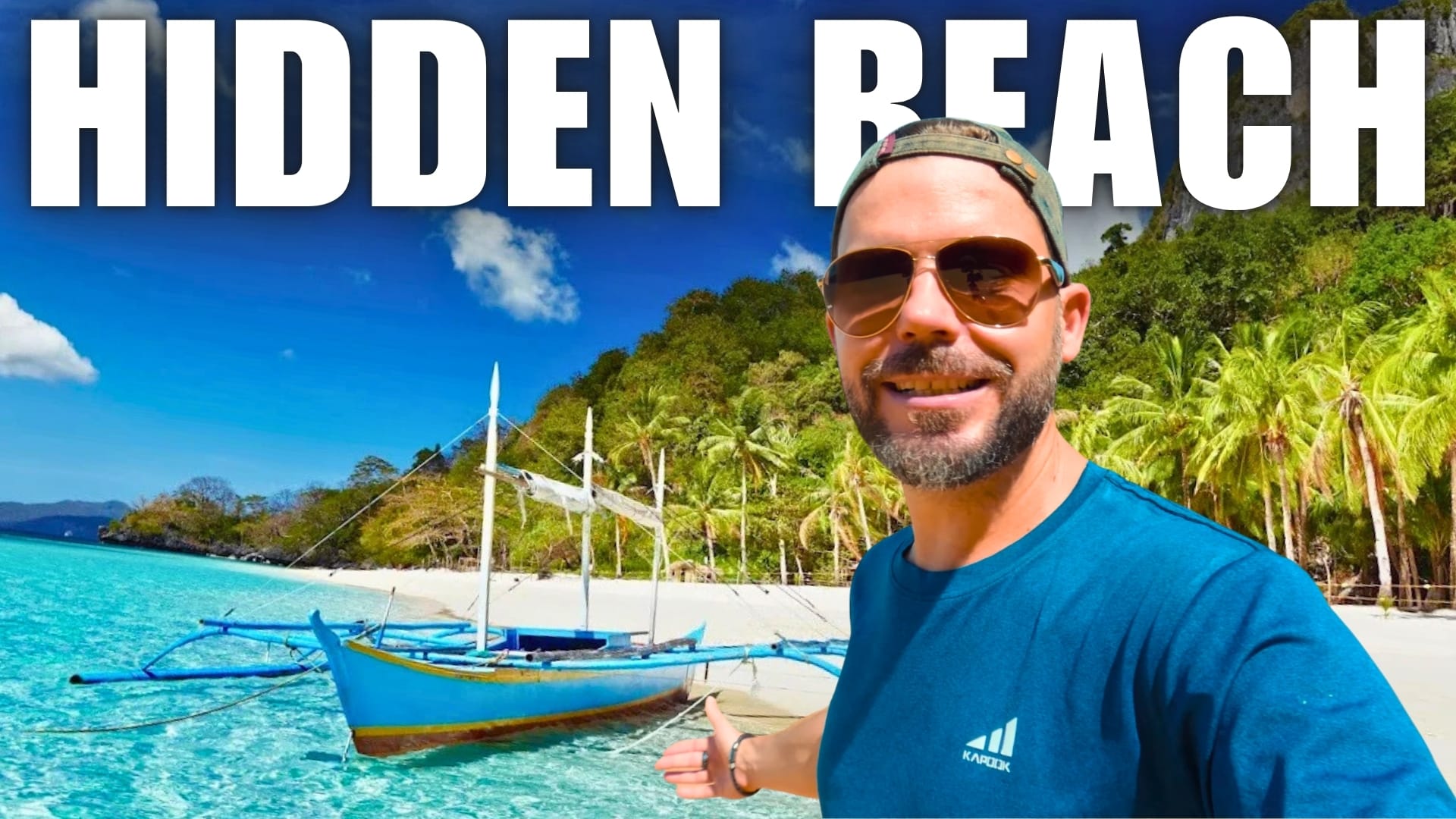
Everyone argues about the best beach in Krabi. Ao Nang is convenient but busy. Railay West is stunning but pricey. Phra Nang is breathtaking. But my personal pick for the best beach on the Krabi mainland — and one that most tourists completely walk past — is Koh Kwang Beach.
This hidden gem sits just off the coast, with a small island you can actually see clearly from the shoreline. The water here is calm, the sand is clean, and on a weekday morning you can practically have the whole place to yourself. It’s the kind of beach that reminds you why you came to Thailand in the first place — before the crowds got there.
Getting there requires a bit of local knowledge (ask your guesthouse) or a short motorbike ride along the coast road. Bring your own snacks and water. There are no beach clubs here, no hawkers, no jet skis — just the Andaman Sea doing its thing. Incredible.
Tiger Cave Temple Sunrise Hike (Wat Tham Suea)
If you do one thing in Krabi, make it this. Tiger Cave Temple — Wat Tham Suea — is a working Buddhist monastery carved into a limestone massif in the heart of Muang Krabi district. It’s been a place of meditation and worship for over a century, and you can feel that spiritual weight the moment you arrive in the pre-dawn darkness.
The hike itself is a true challenge. You’re climbing 1,260 steps — steep, narrow, sometimes crumbling steps — up 309 vertical metres to the golden Buddha image and a gleaming chedi at the summit. The path is carved directly into the cliff face. Some sections are almost vertical. Monkeys lurk at mid-point waiting to steal your breakfast. It’s a full physical and mental workout.
The payoff? One of the most breathtaking panoramic views in all of Thailand. From the top you can see Krabi Town, Ao Nang, the Gulf of Thailand, the Andaman Sea, Phang Nga Bay, and on a clear day, the silhouette of Phi Phi Island on the horizon. If you time the climb right — leaving around 4:30–5:00 AM — you’ll catch sunrise from the summit. Trust me, it’s worth every single step.
Practical info: Entry to the temple grounds is free. The hike takes 45–90 minutes up depending on your fitness level. Dress respectfully (shoulders and knees covered) for the temple area at the base, though the summit is more relaxed. Bring water, wear proper footwear (not thongs), and go early to beat both the heat and the crowds.
Real Talk: This hike is genuinely tough. I watched people turn back halfway, and there’s no shame in that. If you have knee issues or heart concerns, approach with caution and realistic expectations. I’d also strongly recommend sorting travel insurance before attempting anything like this in Krabi. SafetyWing Nomad Insurance covers adventure activities and is the best value option I’ve found for long-term travel — monthly subscription, cancel any time.
Krabi 7 Island Sunset Tour with Bioluminescent Plankton
Southeast Asia is a gold mine of experiences, and the Krabi 7 Island Sunset Tour is one of the best examples of that. This group tour departs Ao Nang in the afternoon and spends several hours island hopping through some of the most scenic waters in the Andaman Sea — finishing with a sunset that genuinely looks photoshopped.
But the real star of this tour — and the thing that makes it genuinely special rather than just another boat trip — is the bioluminescent plankton. As darkness falls over the bay, the water around you begins to glow with an electric blue-green light every time it’s disturbed. Wave your hand through it. Watch the bow of the boat carve glowing lines through the black water. It’s one of those travel moments that doesn’t translate to photos, you just have to be there.
Not every tour runs the bioluminescence experience — it depends on the season and the specific operator. Check the listing carefully when you book. I recommend locking this in through Klook or Get Your Guide rather than booking with a random beach tout — you’ll get better guarantees, transparent pricing, and customer support if something goes wrong.
Pro travel tip: Bring a light jacket for the return boat trip. The Andaman Sea at night feels significantly colder than during the day, especially at speed, and most tourists aren’t prepared for it. Your guesthouse will thank me later.
This tour runs from Krabi, Ao Nang, Railay, and Phi Phi — so it fits into any itinerary around the region. It’s one of those full-day tours that I’d call an absolute must-do. Heaven or hell? Definitely heaven — as long as you go in with realistic group-tour expectations.
Krabi to Phang Nga Bay: The Ultimate Road Trip
If you’ve got wheels (a rented scooter or a hired driver), the road trip from Krabi north through Phang Nga province is one of the great scenic drives of Southeast Asia. Rolling rubber plantations, dramatic karst peaks emerging from mist, sleepy villages, roadside som tam stalls — this is Thailand as it really is, not just the postcard version.
The route I’d recommend takes in three key stops:
Khao Khom Dam, Krabi
A solid first stop on the way north — Khao Khom Dam sits in a lush green valley and gives you a taste of the interior Krabi landscape that most tourists never see. Quiet, local, and completely worth the minor detour.
Wat Mahathat Laem Sak, Ao Leuk
Wat Mahathat Laem Sak is a stunning temple complex on the water’s edge, surrounded by mangroves and limestone formations. It’s a working temple — dress respectfully and take your time wandering the grounds. The reflection of the temple in the glassy water at certain times of day is genuinely breathtaking.
Samet Nangshe Viewpoint at Sunrise
This is the reason you do this road trip before dawn. Samet Nangshe Viewpoint in Phang Nga province is world-famous for a reason — from the wooden viewing platform you look out over a maze of limestone islands rising from Phang Nga Bay as the sun breaks over the horizon. It’s one of the most incredible things I’ve ever seen, and I’ve seen a lot.
Arrive at least 30 minutes before sunrise. The car park fills early. There are basic food stalls at the base if you need coffee to get you through the early start. This is one of those places where you’ll fill your camera storage within twenty minutes and then just put the camera down and stare.
Top 5 Scams in Krabi (Don’t Get Caught Out)
Real Talk: Krabi is a wonderful place with wonderful people — but like any major tourist destination, there are individuals and businesses looking to take advantage of visitors. Knowing what to watch for keeps you safe and keeps your money in your pocket.
1. Motorbike & Scooter Rental Scams
This is the big one in Krabi. You rent a scooter in perfect condition, return it after your day out, and suddenly the rental guy is pointing at a scratch that definitely wasn’t there before (or was already there when you collected it). They’ll demand large sums — sometimes 5,000 to 10,000 bar — for damage they’ve either staged or wildly inflated.
How to avoid it: Before you ride away, photograph and video every single centimetre of the scooter with timestamps. Send the video to yourself via WhatsApp so it’s timestamped in the cloud. Use a reputable rental shop with reviews, never a random street-side stand. Keep your key with you at all times — some operators have been known to “damage” bikes while you’re parked.
2. Taxi & Tuk-Tuk Price Gouging
There are no meters in Krabi — every ride is negotiated. Drivers near the pier and major tourist spots will often quote three to five times a fair price to new arrivals. Agree on the price before you get in, confirm it again, and have small change ready.
How to avoid it: Ask your guesthouse what a fair price is for your planned route before heading out. Use Grab (the Asian equivalent of Uber) where available — it’s available in Krabi Town and gives you a fixed fare upfront.
3. Gem & Tailor Scams
A friendly local strikes up conversation and mentions a “special sale” at a gem shop or tailor today only, or tells you a famous temple is closed but he knows a better one — which happens to be near a shop he gets commission from. Classic confidence trick.
How to avoid it: If someone approaches you unsolicited with an “amazing deal” or a “special recommendation,” treat it with serious scepticism. Temple hours are easy to check online. No one has your best interests at heart more than your own research.
4. Restaurant Menu Switching
You’re shown a menu with reasonable prices, you order, and when the bill arrives the prices are significantly higher than quoted — or items have been added you didn’t order. This happens most in restaurants aggressively flagging down tourists from the street.
How to avoid it: Choose restaurants with menus clearly posted outside. Check your bill line by line before paying. Don’t be afraid to politely question anything that looks wrong.
5. Boat Tour Bait-and-Switch
You book what sounds like a private speedboat tour at a beach tout’s price, and you end up crammed onto a packed longtail with twenty strangers, stopping at three extra “bonus” shopping spots you didn’t ask for. Or the snorkelling gear is broken and no one cares.
How to avoid it: Book through verified platforms like Get Your Guide or Klook. Read reviews. Know exactly what you’re paying for before you hand over cash.
The overwhelming majority of businesses in Krabi are honest, hardworking, and genuinely want you to have a great time. Don’t let a small number of bad actors put you off — just go in informed.
Dragon Crest Mountain Hike
While you’re in scam-awareness mode, let me tell you about the hike I filmed the scam video on — Dragon Crest Mountain (Khao Ngon Nak). This 3.8km return trail through the Khao Ngon Nak Nature Trail is one of the best hikes in Krabi, and it’s surprisingly underrated compared to Tiger Cave Temple.
The summit rewards you with a panoramic view that stretches from Krabi across to Ao Nang, Railay, and out to Phang Nga Bay. On a clear day, Phi Phi Island is visible on the horizon. The trail winds through jungle, past giant boulders, and up a series of increasingly steep ridgelines. It’s challenging but absolutely manageable for reasonably fit travellers — I’d say suitable for teenagers and older adults in good health.
Start early (before 8 AM) to avoid the worst of the heat and the afternoon crowds. Bring at least 1.5 litres of water per person, wear proper shoes, and don’t forget your travel insurance — this is another one where I’d recommend sorting SafetyWing or Ekta Travel Insurance (which specifically covers adventure activities) before you head out. Twisted ankles on jungle trails are more common than people think.
Phi Phi Island Speed Boat Tour: Honest Review
Maya Bay. The Beach. Leonardo DiCaprio. Yeah, you know the place. But what’s Phi Phi Island actually like in 2025, and is it worth the hype?
Short answer: yes, but go in with your eyes open. Phi Phi is stunning — genuinely, embarrassingly beautiful. The water is an impossible shade of turquoise, the limestone cliffs are dramatic, and the snorkelling around the islands is excellent when conditions are right. Maya Bay has genuinely recovered since its closure — the coral is regrowing and the fish are back in numbers that would’ve been unthinkable during the pre-closure chaos years.
The long answer: Phi Phi Don (the inhabited island) is a party town. If you’re staying overnight, expect noise, neon, and a scene that’s more Koh Samui full moon than quiet island retreat. That’s not a criticism — just know what you’re getting.
A day-trip speedboat tour from Krabi or Ao Nang is the most popular and arguably the most efficient way to experience the best of Phi Phi — Maya Bay, Phi Leh Lagoon, Viking Caves, Monkey Beach, Bamboo Island — without committing to a hotel in the thick of the party scene. These tours run daily and depart from multiple points: Krabi Town, Ao Nang, Railay, and even Phuket.
Book here for the best prices and verified reviews:
📍 Phi Phi Island Speed Boat Tour — Get Your Guide
📍 Phi Phi Island Speed Boat Tour — Klook
Pro travel tip: If you get seasick easily, take medication before departure. The open water crossing from Krabi to Phi Phi can be choppy, especially in the shoulder season (May–October). Seasickness bags on speedboats are not a myth — I’ve seen grown adults go green very quickly. You’ve been warned, mate.
Railay Beach: Paradise or Tourist Trap?
Railay is one of the most photographed places in Thailand — a peninsula so surrounded by impassable limestone cliffs that the only way in or out is by longtail boat, despite being technically connected to the mainland. That geographical quirk gives Railay a unique, almost island-like atmosphere. No cars, no motorbikes, just foot traffic and the sound of longtail engines in the distance.
The beach is split into two main areas. Railay West faces the sunset and has calmer water — this is the main beach, with resorts ranging from backpacker bungalows to boutique hotels and the kind of sunsets that people genuinely can’t stop talking about. Railay East is muddier, mangrove-fringed, and significantly less glamorous — primarily a boat landing and service area, though there are some cheaper guesthouses here if budget is the priority.
Beyond the main beach, Railay has an incredible amount to explore:
Railay Viewpoint & Secret Lagoon
From the eastern side of the peninsula, a trail leads up through the jungle — it’s steep and requires rope-climbing in sections, but the views from the top are unreal. Below the viewpoint, a hidden path drops down into a stunning emerald-green lagoon surrounded by sheer cliffs. This is the kind of thing people fly to Thailand to find.
Phra Nang Cave & Beach
A short walk along the southern tip of Railay brings you to Phra Nang Beach — consistently rated one of the most beautiful beaches in all of Asia, and I wouldn’t argue. The cave at the end of the beach is a local spirit shrine (treat it with respect), and the snorkelling just offshore is excellent. If you only have time for one beach in Railay, make it Phra Nang.
Rock climbing is another major draw — Railay’s limestone walls attract climbers from around the world, with routes for all skill levels. Several guide companies operate out of the beach offering half-day and full-day sessions with gear included.
Paradise or tourist trap? Unquestionably paradise — but one you’ll share with plenty of other people. Go early in the morning or late in the afternoon for the best light and the thinnest crowds. Stay overnight if your budget allows — watching the day-trippers leave and having the beach almost to yourself at golden hour is something special.
Railay Bat Cave & Diamond Cave: Are They Really This Good?
Most visitors to Railay never make it beyond the main beach and viewpoint — which means the cave systems on the peninsula are genuinely uncrowded compared to the rest of the area. That’s a shame, because they’re fascinating.
The Bat Cave on the eastern side of Railay requires a bit of scrambling and torch work to explore properly. The cave mouth is home to a sizeable bat colony, and at dusk the nightly exodus is worth seeing. It’s raw, earthy, and completely different from the sanitised cave tours you get in some places. Bring a good torch and expect to get a bit muddy.
Diamond Cave (Tham Phra Nang Nok) near the Railay entrance is more accessible — it has lighting installed and a clear path through the main chambers. The stalactites and stalagmites have been forming for millions of years and some formations genuinely sparkle in the right light, giving the cave its name. It’s a quick visit (30–45 minutes) but worth it, especially if you’re already walking that part of the peninsula.
Pro travel tip: Wear shoes you don’t mind getting dirty in the Bat Cave. Flip flops are genuinely not adequate — the rock is slippery and uneven. The Diamond Cave path is easier but can be slick after rain, so the same advice applies.
Krabi Budget Breakdown: What It’ll Actually Cost You
Here’s what you can realistically expect to spend in Krabi, all figures per person per day:
| Category | Budget Level | AUD | USD | GBP |
|---|---|---|---|---|
| Accommodation (dorm/guesthouse) | Budget | $15–$30 | $10–$20 | £8–£16 |
| Accommodation (mid-range hotel) | Mid | $60–$120 | $40–$80 | £32–£64 |
| Meals (local food) | Budget | $10–$20 | $7–$14 | £5–£11 |
| Meals (restaurants + cafes) | Mid | $30–$60 | $20–$40 | £16–£32 |
| Day tour (7 Islands/Phi Phi) | Standard | $45–$90 | $30–$60 | £24–£48 |
| Scooter rental (per day) | Budget | $6–$13 | $4–$9 | £3–£7 |
| Tiger Cave Temple | Free | $0 | $0 | £0 |
A realistic daily budget for a solid mid-range experience — decent accommodation, local food with a few restaurant meals, one activity per day — lands around AUD $120–$150 / USD $80–$100 / GBP $65–$80 per person. You can absolutely do it for less if you’re hostelling and eating street food exclusively. You can also blow significantly more if you’re staying in Railay’s fancier resorts and doing private speedboat tours every day.
Is Krabi Good for Digital Nomads?
Short answer: yes, with caveats. Ao Nang has a growing number of cafes with solid WiFi — True Coffee, a couple of coworking-adjacent spots, and various guesthouses with reliable connections. 4G coverage from AIS and DTAC is generally strong throughout Krabi Town and Ao Nang.
For an eSIM that works seamlessly across Thailand, I use Airalo — pick up a Thai or regional data plan before you land and you’ll never scramble for a SIM card at the airport again. I’d also recommend grabbing a Wise card before your trip — it’s the best option for withdrawing Thai baht and making purchases without getting hammered by foreign transaction fees.
The lifestyle in Krabi is genuinely hard to beat for remote workers — incredible food at low prices, warm weather year-round, and one of the most beautiful natural environments on the planet five minutes from your doorstep. The main challenge is distraction, honestly. It’s hard to stare at a laptop when there’s an island out there that looks like that.
FAQ: Your Krabi Questions Answered
What is the best time of year to visit Krabi?
The peak season runs from November through April — this is when the Andaman coast is at its clearest and calmest, with brilliant blue skies and flat water perfect for island hopping. May through October is the green (wet) season — prices drop, crowds thin, and the landscape is lush and dramatic. Heavy rain is common but it usually comes in short, intense bursts rather than all-day downpours. I’ve had some of my best days in Krabi during the low season. The 7 Island sunset tour and some speedboat trips may be suspended on rough sea days, so factor that in if you have specific tours on your list.
Is Krabi safe for solo travellers?
Absolutely. Krabi is one of the safer destinations in Southeast Asia for solo travel — including solo female travel. The local community is generally warm and respectful, tourist areas are well-trafficked, and serious crime against tourists is rare. The usual common-sense rules apply: don’t flash expensive gear, be aware of your surroundings at night, don’t accept drinks from strangers, and know the scams outlined above. Sorting travel insurance before you go is non-negotiable — SafetyWing is my go-to for long-term solo travel.
How long should I spend in Krabi?
At minimum, three to four days gives you time to hit the highlights — Tiger Cave Temple, a day on the islands, Railay Beach, and a couple of good meals. Five to seven days lets you breathe and explore properly — add the Phang Nga Bay road trip, Dragon Crest hike, and some slower beach days. If you’re a digital nomad setting up a temporary base, two to three weeks is genuinely comfortable — enough time to find your favourite local restaurant, your preferred morning beach, and your rhythm.
Should I stay in Ao Nang or Krabi Town?
Ao Nang is where most tourists stay — it’s closer to the beach, has more restaurants and bars, and boat connections to Railay and the islands are right there. It’s more expensive and more touristy. Krabi Town is quieter, cheaper, and has better local food — the night market is excellent and the Sunday Walking Street is fantastic. If you want convenience and beach access, Ao Nang wins. If you want authenticity and budget value, Krabi Town is the move. I’ve done both, and honestly, I prefer splitting time between them.
That’s the full Krabi breakdown — no fluff, just what I actually experienced and what you actually need to know before you book your flights. Krabi is genuinely one of the most beautiful places I’ve ever been, and I’ve been to a lot of places. If you’re on the fence, let this be the thing that tips you over it. Let’s go.
If this guide helped you plan your trip, you can support the channel here: Buy Me a Coffee ☕
You’re awesome — you’re the reason why I make these videos. Have an amazing trip to Krabi, and have an awesome day wherever you are in the world. 🌏
🌏 USEFUL LINKS
✈️ Book accommodation in Krabi: Agoda | Booking.com
🎒 Travel insurance: SafetyWing Nomad Insurance
🎫 Book Krabi tours: Get Your Guide | Klook
📱 eSIM for Thailand: Airalo
💳 Best travel money card: Wise
📱 FOLLOW PARADISE ADVENTURES
YouTube: https://www.youtube.com/@paradise-adventures
Instagram: https://www.instagram.com/paradiseadventures.live/
Facebook: https://www.facebook.com/ParadiseAdventures.live
Website: https://paradiseadventures.live/
This post contains affiliate links. If you make a purchase through these links, I may earn a small commission at no additional cost to you. I only recommend products and services that I personally use and trust.
“`