
El Nido Palawan Philippines: Everything You Need to Know Before You Go (2024 Honest Guide)
No BS, no fluff — this is just what El Nido is really like right now. Shaun here from Paradise Adventures, and I spent a full month on the ground in El Nido and Coron, Palawan. I’m going to give you everything I wish someone had told me before I landed here — the good, the great, and the few bits that’ll catch you off guard if you’re not ready.
What Is El Nido and Why It’s Worth the Hype
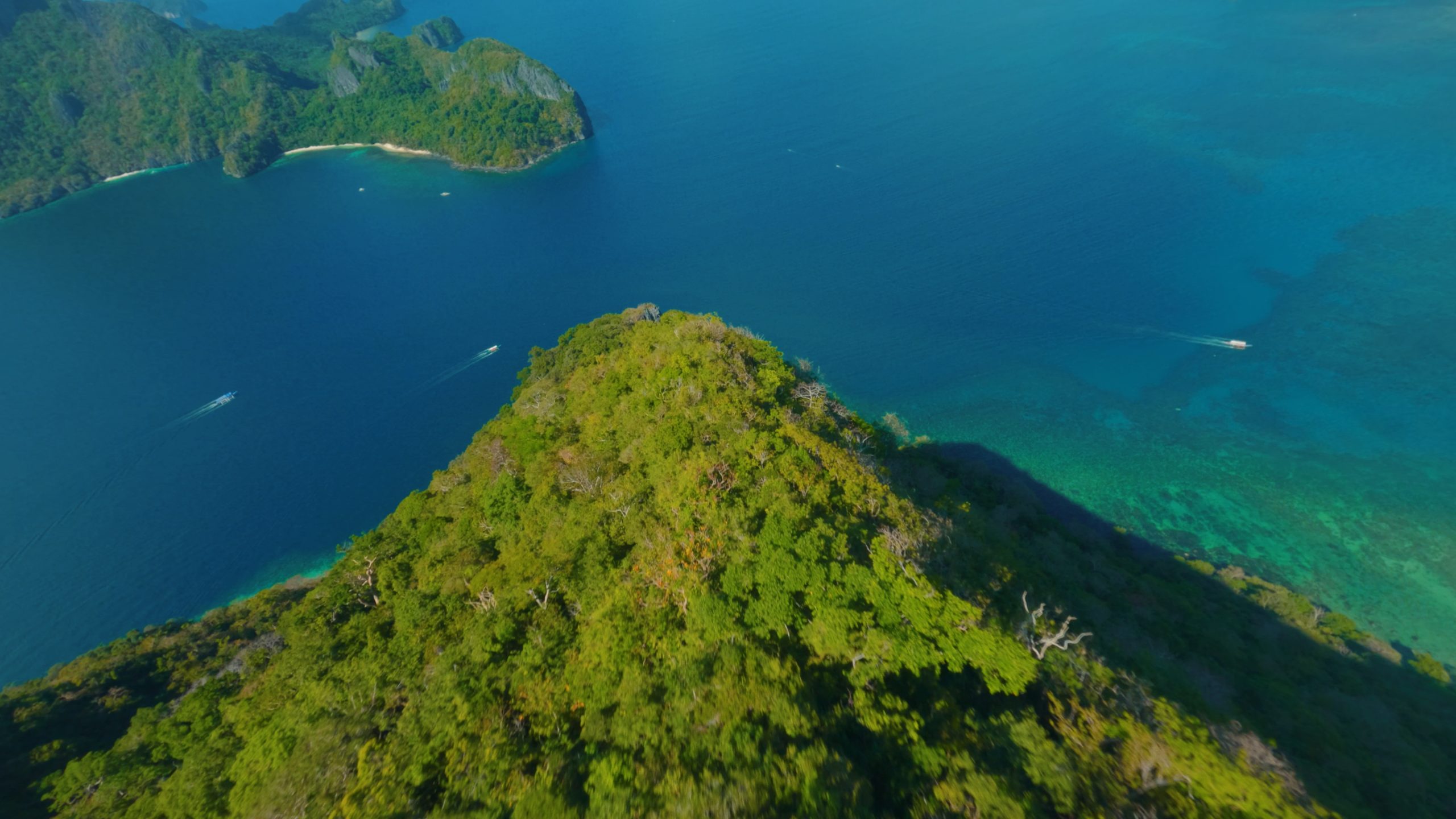
Let’s start with the big question — is El Nido actually as incredible as everyone says? Mate, yes. It genuinely is. El Nido is a municipality in the northern tip of Palawan Island in the Philippines, and it’s consistently ranked as one of the most beautiful places on earth. You’ve probably seen the photos — towering limestone karst cliffs rising straight out of turquoise water, hidden lagoons, white sand beaches that stretch on forever, and water so clear you can see 10 metres down without trying.
Southeast Asia is a gold mine of experiences, and El Nido sits right at the top of that pile. But unlike Bali or Bangkok, it still has an untouched, raw quality to it. When I arrived in early 2023, parts of the north of the main island still felt completely undiscovered. That’s rare — and it won’t last.
El Nido sits in Bacuit Bay, which is filled with over 45 islands and islets. The entire region is part of a protected marine reserve, which helps explain why the coral reefs are still in brilliant condition and the marine life is thriving. Snorkelling here is some of the best you’ll find anywhere in Southeast Asia — full stop.
The town itself is small and walkable. Calan Street (the main drag along the waterfront) is where you’ll find most of the restaurants, bars, tour operators and shops. It’s got a real backpacker-meets-budget-explorer energy to it — unpretentious, colourful, and genuinely welcoming to travellers.
When to Go to El Nido (and When to Avoid It)
This is honestly one of the most important things to get right before you book your flights. El Nido has a pronounced dry season and a wet season, and getting this wrong can seriously impact your trip.
Best Time to Visit: November to May
The dry season runs from roughly November through to May. This is when you’ll have calm seas, blue skies, and the island-hopping tours are running at full steam. December to February is peak season — busiest, most expensive, and the weather is reliably stunning. March to May is still dry, gets a bit hotter, but is less crowded than the Christmas period. If you can only visit during one window, aim for January to March. You’ll get great weather without the absolute peak-season crowds and prices.
Wet Season: June to October
Real Talk: the wet season here is proper. The south-west monsoon (called Habagat) rolls in from June and can bring heavy rain, rough seas, and cancelled boat tours. Some of the island-hopping tours are suspended entirely when the sea conditions are too rough, which is frustrating if that’s the main reason you’ve come. That said, accommodation is significantly cheaper, the town is quieter, and you’ll still get stretches of beautiful weather between the storms. If you’re a budget traveller who’s flexible with their itinerary, off-season can work. Just go in with realistic expectations.
Typhoon Risk
September and October carry the highest typhoon risk. I’d personally avoid those months. The Philippines as a whole sits in the Pacific typhoon belt and Palawan, while more sheltered than the eastern islands, isn’t immune. Don’t risk it — reschedule if that’s the window you’re looking at.
Getting to El Nido Palawan
Getting to El Nido takes a bit of effort, but that’s honestly part of what keeps it special. It’s not a quick hop from a major hub — you’ve got to want to get there.
Option 1: Fly to El Nido Airport (ENI)
There’s a small airport right in El Nido town serviced mainly by AirSWIFT, which flies from Manila. The flights are pricey compared to budget carriers — expect to pay more — but the convenience is unreal. You land in town and you’re at your guesthouse within 20 minutes. If your time is limited, this is worth the extra cost. Book early; these flights sell out fast in peak season.
Option 2: Fly to Puerto Princesa (PPS) + Van or Bus
This is the most common route and the most budget-friendly. Fly into Puerto Princesa (the Palawan capital) with Cebu Pacific or Philippine Airlines from Manila, then jump on a shared van or bus to El Nido. The van takes around 5 to 6 hours depending on road conditions and stops. It’s a long ride — bring snacks, a neck pillow and a fully charged phone — but the road through the jungle is actually pretty scenic. You can book transfers through Trip.com for buses and ground transport across SE Asia.
Option 3: Ferry from Coron
If you’re doing both El Nido and Coron (which I’d strongly recommend), you can take a fast ferry between the two. It takes around 3.5 to 4 hours and the views on the way are breathtaking. Check schedules carefully as ferry routes can be cancelled in rough weather, especially June to October.
Where to Stay in El Nido
El Nido has accommodation options across every budget — from basic fan rooms for backpackers to boutique resorts on private islands. Here’s a quick breakdown of what to expect depending on your budget.
Budget (Dorms and Fan Rooms)
You can find decent fan rooms in the town centre for around 500 to 800 Philippine peso per night (roughly AUD $13–21 / USD $9–14 / GBP $7–11). These will be basic — clean but not flash. Good wifi is hit and miss at this price point. Book through Booking.com or Agoda for the best rates, and always check recent reviews — places can change quickly in these smaller towns.
Mid-Range (Air-Con Rooms and Guesthouses)
For a solid air-con room with private bathroom, good wifi and a decent breakfast, budget around 1,500 to 3,000 peso per night (AUD $40–80 / USD $27–54 / GBP $21–42). This is the sweet spot for most travellers coming through. There are some genuinely lovely little guesthouses in this range, some with rooftop terraces and views over the bay.
Splurge (Resorts and Private Islands)
If you want the luxury island resort experience, Palawan delivers. There are some seriously beautiful eco-resorts and overwater bungalow-style properties on the nearby islands. Prices climb to 6,000 peso and well above per night (AUD $160+ / USD $107+ / GBP $85+). The experience can be absolutely worth it for a night or two — waking up with the ocean right outside your door is something else entirely.
Pro Travel Tip on Booking
Book accommodation for your first 2–3 nights well in advance during peak season (Dec–Feb). After that, it’s easy enough to walk around and find something once you get a feel for the town. In shoulder season, you have more flexibility to negotiate rates directly with guesthouses.
What’s the Food Like in El Nido?
The food scene in El Nido is better than you’d expect for a small island town, and it’s improved a lot over the years. You’ve got a solid mix of local Filipino dishes, Western comfort food, and some surprisingly good international options given the remote location.
Filipino Food — Don’t Miss It
If you’re not already obsessed with Filipino food, El Nido will convert you. Sinigang (a sour tamarind soup, usually with pork or seafood) is an absolute must. Kare-Kare (peanut-based stew), Adobo, and freshly grilled seafood are all brilliant here. The fresh fish and shellfish are incredible because, well, you’re literally on the water. A proper sit-down Filipino meal at a local restaurant will set you back 200 to 400 peso per person (AUD $5–11 / USD $4–7 / GBP $3–6).
Seafood on the Beach
One of the best experiences in El Nido is eating fresh grilled seafood on the beach at one of the open-air restaurants along the waterfront. Grab a cold San Miguel, pick your fish straight from the display, and watch the sunset over the islands. That’s the El Nido experience in a nutshell. Expect to pay 400 to 800 peso for a full seafood meal (AUD $11–21 / USD $7–14 / GBP $6–11).
Western Food
There are plenty of cafes and restaurants serving Western breakfasts, burgers, pasta and pizza. Quality varies, and prices are noticeably higher than the local spots — a Western meal typically costs 400 to 700 peso (AUD $11–19 / USD $7–13 / GBP $6–10). Fine for an occasional change, but lean into the local food — it’s the better choice every time.
Coffee
There are a handful of decent coffee shops in town, including a couple with good wifi setups that digital nomads use as work bases. Expect to pay 100 to 150 peso for a decent espresso or filter (AUD $3–4 / USD $2–3 / GBP $1.50–2.50).
The El Nido Island Tours (A, B, C & D) — What to Expect
The four island-hopping tours are the main event in El Nido, and they’re absolutely incredible. Each one covers different islands, lagoons and beaches in Bacuit Bay. Here’s a quick rundown:
Tour A — The Classic (Big Lagoon, Secret Lagoon, Secret Beach)
Tour A is the most popular and arguably the most stunning. You’ll visit Big Lagoon (incredible — you kayak through a narrow gap in the limestone into a perfectly enclosed emerald lagoon), Secret Lagoon, Secret Beach, Seven Commandos Beach and Shimizu Island. This is the one everyone does first, and for good reason. Expect large groups during peak season.
Tour B — Caves and Coral
Tour B focuses more on cave exploration and snorkelling. You’ll visit Cathedral Cave, Cudugnon Cave, Pinagbuyutan Island and a couple of brilliant snorkelling spots. Less busy than Tour A and the caves are genuinely cool.
Tour C — Remote Islands
Tour C takes you further out to more remote spots including Helicopter Island (which looks exactly like a helicopter from the air — I flew the drone over this one and the footage is insane), Matinloc Shrine, and Hidden Beach. Longer travel times but worth it for the payoff.
Tour D — Off the Beaten Track
Tour D is the least visited and covers some of the most undiscovered spots in the bay. If you want smaller crowds and more of an explorer vibe, this is your tour. Dilumacad Island and Natnat Beach are highlights.
Booking Your Tours
You can book through operators directly in town (just walk along the main strip and you’ll be quoted immediately) or pre-book through Get Your Guide or Klook for convenience and guaranteed spots during peak season. Group tours typically cost 1,200 to 1,500 peso per person (AUD $32–40 / USD $21–27 / GBP $17–21) including lunch. Private tours cost significantly more but give you full flexibility on timing and stops.
Tour A Gone Wrong — Stranded Near Big Lagoon
Right, let me tell you about the time things went sideways on Tour A — because this is exactly the kind of stuff I wish someone had warned me about before I went.
We booked a private Tour A — just us, our own boat, our own schedule. It started brilliantly. Seven Commandos Beach? Breathtaking. Secret Beach? Unreal. Big Lagoon in the kayak? One of the most incredible natural experiences I’ve had anywhere in Southeast Asia. We flew the drone over the karst cliffs and the footage came out cinematic as anything.
Then the engine gave out. Just stopped. Middle of the bay, not far from Big Lagoon, engine dead. Our boat captain flagged down a passing vessel and radioed for assistance, but we were sitting there in the sun for a while before help arrived. Stranded in paradise — could be worse, I’ll be honest.
The lesson here isn’t that tours are bad — they’re incredible. The lesson is to check the condition of the boat before you depart. Look at the engine. Ask how old the boat is. Private tours sometimes use smaller, older vessels. Group tours are often better maintained because the operators run them every single day. It’s also why I always recommend having travel insurance sorted before any boat activity in Southeast Asia — get covered with SafetyWing before you travel. It’s genuinely the best nomad insurance I’ve found, billed monthly with no lock-in.
Despite the engine drama, Tour A through El Nido’s Bacuit Bay remains one of the most beautiful experiences I’ve ever had. The drone footage from that day is some of my favourite I’ve ever captured. Watch the full video above to see exactly what went down.
I Got Lost and Found a Hidden Beach
One of the things I love most about El Nido is that you don’t have to be on an organised tour to find paradise. I rented a motorbike one afternoon and just headed north — no plan, no map, just exploring the main island on two wheels.
I ended up at the northern tip of the island, where the road basically runs out and the jungle takes over. And there — down a rough dirt track through the palms — was a stretch of beach with not a single person on it. White sand, crystal-clear water, limestone cliffs in the background, coconut trees leaning over the shoreline. Genuinely breathtaking.
I got the drone up and captured some of the most cinematic footage I’ve shot on the whole of my travels. The beach is completely undeveloped — no resort, no beach bar, no sunloungers. Just raw, untouched Palawan coastline. The location pin is in the video description if you want to find it yourself — but go soon. El Nido is developing fast and spots like this won’t stay hidden forever.
Motorbike rental in El Nido costs roughly 400 to 600 peso per day (AUD $11–16 / USD $7–11 / GBP $6–9). Make sure you’re comfortable riding one before you head out — the roads north of town get rough — and check with your accommodation about current road conditions. Bring water, sun protection and a portable charger.
Can You Work Remotely in El Nido? Digital Nomad Reality Check
Real Talk: El Nido is a beautiful place to visit but it’s not an easy place to work remotely from, at least not reliably. Here’s the honest breakdown:
Internet
The internet situation in El Nido has improved, but it’s still inconsistent. PLDT and Globe (the main Philippine providers) have decent mobile data coverage in the town centre, and some of the better guesthouses and cafes have reliable wifi. But power outages are common — brown-outs can hit without warning and kill your wifi for hours at a time. If you’re on a tight deadline or need consistent connectivity, this can be stressful.
My recommendation: grab a local SIM with a good data plan as your backup. Airalo’s eSIM for the Philippines is a solid option — you can activate it before you even land. Check out Airalo here for international eSIM coverage.
Power Outages
This caught me off guard. El Nido experiences scheduled and unscheduled power cuts, sometimes for several hours at a stretch. If you’re working from a laptop, keep it charged whenever you can. A good power bank is essential gear here.
The Vibe
Honestly, El Nido doesn’t have the same digital nomad cafe culture you’d find in Chiang Mai or Bali. There are a few spots with decent wifi and a laptop-friendly atmosphere, but it’s primarily a beach destination and most people are here to snorkel, not work. If you can take a week off the laptop entirely and just explore, El Nido rewards you massively. Use it as a recharge destination rather than a base.
El Nido Cost Breakdown — Real Numbers in AUD, USD & GBP
Here’s what a realistic day in El Nido costs, in all three currencies. These are 2023 figures from my month on the ground.
| Expense | PHP (Peso) | AUD | USD | GBP |
|---|---|---|---|---|
| Budget fan room (per night) | 600–900 | $16–24 | $11–16 | £9–13 |
| Mid-range air-con room | 1,500–2,500 | $40–67 | $27–45 | £21–36 |
| Local Filipino meal | 200–350 | $5–9 | $4–6 | £3–5 |
| Seafood dinner (waterfront) | 400–800 | $11–21 | $7–14 | £6–11 |
| Coffee | 100–150 | $3–4 | $2–3 | £1.50–2.50 |
| Island tour (group) | 1,200–1,500 | $32–40 | $21–27 | £17–21 |
| Motorbike rental (per day) | 400–600 | $11–16 | $7–11 | £6–9 |
| San Miguel beer (bottle) | 60–90 | $1.60–2.40 | $1.10–1.60 | £0.85–1.30 |
A budget daily total (local food, fan room, one beer) comes in at roughly AUD $35–45 / USD $24–30 / GBP £19–24. A mid-range day with an island tour, air-con room and a couple of decent meals sits around AUD $90–130 / USD $60–90 / GBP £48–70.
For managing your money on the road without getting hammered by exchange rate fees, I use a Wise card — it’s the best forex card I’ve found. No hidden fees, real exchange rates, and you can hold multiple currencies. Genuinely essential for long-term travel in Southeast Asia.
El Nido vs Coron — Which Should You Visit?
If you’ve got the time, do both. They’re different enough that one doesn’t replace the other, and together they make for one of the most epic island-hopping experiences you can have anywhere in the world.
El Nido
El Nido is all about the dramatic limestone karsts, the hidden lagoons and the sense of raw, tropical adventure. The town itself is lively and social, and the island-hopping tours are among the best in Southeast Asia. Better for snorkelling and kayaking through lagoons.
Coron
Coron is famous for its WWII shipwreck diving — some of the best wreck dives in the world are right here in Coron Bay. The lake swimming (Kayangan Lake and Twin Lagoon) is also stunning. The town has a slightly more rugged, adventurous feel than El Nido. Better for divers and people who want a quieter pace.
You can take a fast ferry between the two — roughly 3.5 hours. Do it. I did a month between both of them and it still felt like I’d only scratched the surface.
Pro Travel Tips for El Nido
- Pro travel tip: Book your island tours for the first few days after you arrive, not the last. If weather causes a cancellation, you’ll have time to rebook.
- Pro travel tip: Bring reef-safe sunscreen only. El Nido is a protected marine reserve and regular sunscreen is bad for the coral. You’ll also be asked at certain tour entry points.
- Pro travel tip: The environmental fee for island tours in El Nido is 200 peso (AUD $5 / USD $4 / GBP £3) per person, paid at the tourism office. Get it before your tour departs — your operator will tell you where. This is separate from tour costs.
- Pro travel tip: Bring cash. ATMs in El Nido are limited, sometimes run out of money during peak season, and charge high withdrawal fees. Withdraw extra in Puerto Princesa before you make the trip up.
- Pro travel tip: Sort travel insurance before you leave home. Boat activities, motorbike rental, and snorkelling all carry risk. SafetyWing covers adventure activities and is billed monthly — perfect for nomads and long-term travellers.
- Pro travel tip: If you’re flying into Puerto Princesa, book your van transfer in advance during peak season. They do fill up and the last thing you want is to be stuck in Puerto Princesa overnight.
- Pro travel tip: Grab a free travel tips guide — I’ve put together a full Southeast Asia travel tips and hacks resource at paradiseadventures.live to help you travel smarter and save money.
FAQ — El Nido Palawan Philippines
Is El Nido worth visiting in 2024?
Absolutely yes — but go sooner rather than later. El Nido is developing quickly and the untouched, undiscovered quality it has right now won’t last forever. The island-hopping tours, the hidden beaches, the snorkelling and the sheer natural beauty of Bacuit Bay make it one of the best travel experiences in Southeast Asia. It’s not the easiest place to get to, but that’s exactly why it’s still as incredible as it is. Worth every bit of effort.
How many days should I spend in El Nido?
At minimum, 4 to 5 days gives you time to do Tours A and C (the two best ones), explore the town, rent a motorbike and have a down day on the beach. A week is ideal — it lets you add Tour B or D, take a day trip, and actually relax without rushing. If you’re combining with Coron, budget a week in each for a proper Palawan experience.
Is El Nido safe for solo travellers?
Yes, El Nido is very safe for solo travellers, including solo female travellers. It’s a well-established tourist destination and the locals are genuinely friendly and welcoming. Standard travel smarts apply — don’t leave valuables unattended on the beach, take care on the motorbike especially if you’re not experienced, and keep an eye on your belongings in crowded tour boats. Statistically, the biggest risk is motorbike accidents rather than any kind of crime, so ride carefully and wear a helmet.
Do I need to book tours in advance or can I just show up?
In shoulder season (May to November, outside typhoon months), you can absolutely walk up to tour operators on the day and get a spot. In peak season (December to February), particularly over Christmas and New Year, popular tours like Tour A can book out. To guarantee your spot during peak season, pre-book through Get Your Guide or Klook before you arrive. Outside those busy periods, booking a day ahead directly with a local operator in town is fine and sometimes cheaper.
El Nido genuinely blew me away — and I’ve travelled a lot of Southeast Asia at this point. There’s something about those limestone karsts, the colour of the water, and the combination of adventure and total relaxation that makes it hit differently to anywhere else I’ve been. Pack your curiosity, get yourself to Palawan, and let’s go.
If you found this guide useful, you’re awesome — you’re the reason why I make these videos. Have an amazing trip, mate.
— Shaun, Paradise Adventures
📱 Follow Paradise Adventures
YouTube: https://www.youtube.com/@paradise-adventures
Instagram: https://www.instagram.com/paradiseadventures.live/
Facebook: https://www.facebook.com/ParadiseAdventures.live
Website: https://paradiseadventures.live/
Disclaimer: This post contains affiliate links. If you make a purchase through these links, I may earn a small commission at no additional cost to you. I only recommend products and services that I personally use and trust.